
Government Contract Fraud Lawyer | Federal Civil & Criminal Contractor Defense Attorneys
Nationwide Government Contract Fraud Lawyers – Former DOJ Attorneys and Former Procurement Officials
 When the Department of Justice (DOJ), FBI or OIG Targets You Or Your Company, You Have to Hire Government Contractor Fraud Defense Lawyers Who Not Just Are Experienced in Criminal Law – But They Must Also Know the Underlying Procurement Rules – This is Where Many Contractors Make a Huge Mistake. Our Law Firm Has the Unique Dual Expertise – Federal Criminal Defense and Procurement Law Knowledge. 1.866.601.5518.
Whether you are a large business or a small business government contractor facing a federal government contract fraud charge or investigation, your best chances of prevailing will include three things. First, you must have attorneys experienced in government contracting and procurement laws. Second, if you are charged with criminal defense contractor fraud, you must have someone on your defense team who also understands the federal court system, litigation, and how the DOJ attorneys bring and litigate cases. Third, and most important, you will need an aggressive legal strategist who can immediately develop a meaningful defense strategy that stands some chance of prevailing.
As experienced defense counsel for procurement‑fraud investigations and False Claims Act matters, we don’t take every case. We choose cases where we believe we can make a real difference — and we approach each one as part of your team. If you’re a contractor facing investigation or under threat of debarment, we offer clear guidance, strategic protection, and nationwide representation to preserve your contracts, assets, and future.
-
We don’t take every case — only those where we believe we can make a difference.
-
Our job is to help protect your company, your freedom, and your future for unnecessary intrusion from the government.
-
Every case is different. We’ll give you a clear, honest assessment of what’s possible.
START DEFENDING YOUR CASE NOW — Speak with a Federal Defense Lawyer Today
Many companies charged with violating the federal False Claims Act (civil or criminal) simply hire traditional criminal defense attorneys who do not have the slightest idea about the Federal Acquisition Regulations (FAR), SBA procurement regulations, Trade Agreements Act, Buy American Act, or any of the underlying deficiencies that federal prosecutors allege that they have committed. Our government contract fraud lawyers defend and litigate white-collar cases involving defense contractors across the United States.
Our office frequently gets calls from clients who have spent hundreds of thousands of dollars with defense lawyers and law firms, only to find out that, although they had federal criminal law experience, they had no experience with the underlying procurement violations they were accused of.
Because we have such extensive trial experience in federal court, our government contract fraud lawyers approach defense contractor white collar cases differently than most attorneys. We assume the Government prosecutors and federal investigative agents are overreaching, are not playing above board, and that their cases have holes. As soon as we are hired, we begin by attacking the government’s case. Because of this approach, government prosecutors and agents tend to treat us differently, given my reputation as defense contractor fraud lawyers.
Whether you received a Civil Investigative Demand (CID), grand jury subpoena, notice of indictment, you’re now dealing with more than a billing dispute — you are dealing with federal government contract fraud allegations, potential federal criminal defense contractor fraud charges, and procurement fraud exposure that could include hiring bans, civil penalties, treble damages, or serious jail time under the False Claims Act (FCA) and related statutes.
 If you’re searching to hire a government contract fraud lawyer, a federal criminal defense contractor fraud attorney, or a government contractor fraud attorney — you need more than a general contracts lawyer. You need to hire a federal white‑collar defense team that understands how fraud investigations unfold, what prosecutors are looking for, and how to protect your business, executives, and future revenue streams before it’s too late.
Government contracting investigations can lead not only to civil FCA penalties (including treble damages and fines) but also criminal charges, suspension, debarment, and personal exposure for officers and executives. The decisions you make in the first 30–90 days — often before charges are filed — determine whether you have any chance of a favorable outcome.
Maybe you received a subpoena or a Civil Investigative Demand. Or maybe an audit flagged something you didn’t even realize was an issue. Now you’re facing potential allegations of government contract fraud — and your business, name, and freedom are on the line.
If that happens to you, what matters is who stands between your company and a federal indictment. As experienced defense counsel for procurement‑fraud investigations and False Claims Act matters, we don’t take every case. We choose cases where we believe we can make a real difference — and we approach each one as part of your team. If you’re a contractor facing investigation or under threat of debarment, we offer clear guidance, strategic protection, and nationwide representation to preserve your contracts, assets, and future.
-
We don’t take every case — only those where we believe we can make a difference.
-
Our job is to help protect your company, your freedom, and your future for unnecessary intrusion from the government.
-
Every case is different. We’ll give you a clear, honest assessment of what’s possible.
The DOJ’s criminal conviction rate is over 90%. Why is that? Most companies, government contractors and small businesses may choose to wait it out and take the chance on negotiating with federal agents and prosecutors in the hope that the problem goes away. It doesn’t go away once law enforcement sends you a target letter or civil investigative demand. Companies that achieve favorable outcomes recognize the value of a legal team of government fraud lawyers who aggressively assess, plan, and execute to increase their chances of better outcomes. Others consult a local criminal or commercial contract lawyer in hopes of making the problem go away. These are the main reasons the DOJ’s conviction rate is so high.
Senior Manager for Government Contractor Charged in Cybersecurity Fraud Scheme
Who We Help — Government Contractors & Defense Firms
We represent defense contractors, technology vendors, small businesses, subcontractors, prime contractors, and executives facing federal procurement fraud investigations. Our clients include:
CEOs & Businesses accused of government contract fraud
Contractors under False Claims Act (FCA) scrutiny
Defense contractors dealing with procurement fraud allegations
Firms facing SBA, GSA or DoD‑OIG actions
Entities responding to grand jury subpoenas or Civil Investigative Demands
Whether you are under a looming investigation or already facing charges, our government contractor fraud lawyers guide you with strategic defense planning built for federal enforcement actions, not just contract counseling.
START DEFENDING YOUR CASE NOW — Speak with a Federal Defense Lawyer Today
Defense Contractor Fraud Attorney Services
Other Common types of cases that our government fraud lawyers handle include:
- General Contractor Fraud
- False Claims Act Violations (FCA Claims – Civil and Criminal)
- Allegations of submitting false invoices, claims, or certifications to the government
- Bid rigging, kickbacks, contract manipulation, or competitive bidding violations
- Improper allocation of costs to government contracts, labor mischarging, or overhead violations
- Defective Pricing
- Cost Mischarging
- Overcharging the Government
- Bribing Government Officials
- Progress Payment Fraud
- Price Fixing
- Defective Products
- Kickback to Government Officials
- Billing for Services Not Performed
- Procurement Fraud
- Roofing Contractor Fraud Lawyer
- Buy American Act fraud and
- Trade Agreements Act Compliance Fraud
- SBA small business fraud (SDVOSB, 8(a) BD,and HUBZone certification fraud and size standard violations
- FAR non-compliance fraud disputes
- Mentor protege and pass-through schemes
” The Federal Contractor’s Defense Readiness Assessment – Get a Confidential, No-Obligation 45 Minute Strategy Session With a Senior Attorney. We Will Assess Your Situation, Identify Your Three Greatest Legal Risks. We Do Not Take All Cases – Only Ones Where We Can Help.” Call 1.866.601.5518. Set a Time to Speak to Mr. Watson.
What Are the Main Types of Government Contracting Fraud Investigations Our Law Firm Handles?
When a federal agency starts asking questions, it rarely feels like “fraud” at first. It often begins as an audit, a contract dispute, a whistleblower complaint, or a request for records—and then escalates. At that point, many executives begin seeking a government contractor fraud attorney or government contract fraud lawyer to help them understand what the government is alleging, what the exposure looks like (civil, criminal, and administrative), and which options minimize business disruption while protecting the company’s future.
Below are other common categories of government contractor fraud allegations that frequently trigger investigations, subpoenas, interviews, and suspension/debarment concerns.
Overbilling, False Claims, and Improper Invoicing
One of the most common issues in government contractor fraud investigations is alleged overbilling—where the government claims invoices weren’t accurate, supported, or authorized. These cases are often framed under the False Claims Act, wire fraud, or related theories and may involve billing for:
-
Goods or services never delivered
-
Work that was improperly performed or failed acceptance
-
Overstated quantities or misrepresented deliverables
-
Rates higher than authorized (including labor categories and schedule/ceiling rates)
A government contractor fraud attorney will typically focus early on how invoices were prepared, who certified them, what the contract required, and whether the government can prove intent versus a compliance breakdown.
2) Defective Pricing and Cost/Pricing Data Misrepresentation
If pricing was negotiated using cost or pricing data, the government may allege defective pricing or violations of the Truthful Cost or Pricing Data Act (formerly TINA). Common accusations include:
-
Submitting inaccurate, incomplete, or noncurrent data
-
Failing to disclose pricing information relevant to negotiations
-
Presenting assumptions as “reliable” when they weren’t supportable
This is where a government contract fraud lawyer often helps the business separate documentation problems from accusations of deliberate deception—and map out options that reduce cascading exposure.
3) Product Substitution, Nonconforming Goods, and Supply Chain Fraud
Many investigations focus on whether the contractor delivered what the contract required. Allegations of product substitution or supply chain fraud can include:
-
Using inferior materials
-
Providing unauthorized substitutes
-
Supplying noncompliant country-of-origin products where domestic sourcing rules apply (e.g., Buy American Act / Trade Agreements Act concerns)
-
Failing technical specs, testing requirements, or approved-source obligations
These cases can move fast because agencies may treat them as mission or safety issues—not “paperwork.” A government contractor fraud attorney will often push to clarify whether the dispute is really about performance/spec interpretation versus fraud.
4) Kickbacks, Bid-Rigging, and Procurement Collusion
Another frequent category is alleged misconduct in bidding or subcontractor selection. Investigators may focus on:
-
Improper payments, gifts, or “referral fees” tied to awards
-
Collusion during bidding
-
Steering work to preferred subcontractors in exchange for benefits
These matters may involve the Anti-Kickback Act, conspiracy, or antitrust-related allegations depending on the facts.
5) SBA and Set-Aside Certification Fraud (8(a), SDVOSB Fraud, WOSB, HUBZone Fraud Lawyers)
Set-aside contracts can bring intense scrutiny. The government may allege misrepresentation of eligibility for:
-
SBA 8(a)
-
SDVOSB
-
WOSB
-
HUBZone
These cases often turn on ownership/control, subcontracting limitations, pass-through structures, and how eligibility was represented across proposals and annual certifications. A government contract fraud lawyer will typically review the exact statements the government claims were false and assess whether the business had a defensible basis at the time.
6) Timekeeping Fraud and Labor Mischarging
Labor mischarging can quickly become a criminal-style investigation—especially in time-and-materials or labor-category contracts. Common accusations include:
-
Charging hours not worked
-
Misallocating labor to the wrong contract, CLIN, or task order
-
Billing senior labor categories for work performed by junior staff
-
Weak internal controls around timecards and approvals
These cases can involve both the company and individuals depending on who approved, submitted, or certified the billing.
7) Cybersecurity Compliance Fraud (DFARS / CMMC / False Certification)
Cyber requirements are increasingly treated as fraud exposure when the government claims the contractor falsely certified compliance. Investigations often reference:
-
DFARS 252.204-7012
-
CMMC-related representations (where applicable)
-
Safeguarding, incident reporting, and system security requirements
Even without a breach, the allegation can be: “You promised required cybersecurity compliance to win or keep the contract—and that promise wasn’t true.”
Why These Cases Expand So Quickly
This list isn’t exhaustive—and in many government contractor fraud matters, prosecutors and agencies combine multiple theories (civil FCA + criminal statutes + suspension/debarment) under one investigation. That’s why companies often engage a federal government contractor fraud attorney or government contract fraud lawyer early—to reduce disruption, control messaging, and make decisions that protect both the case and the business.
Meet Our National Defense Contractor Fraud Law Firm Team Leads
 Theodore P. Watson (U.S. Air Force Retired Veteran and Former Federal Procurement Official)
- Experience with DoD, SBA, OIG, FBI, DOJ investigations
- DOJ False Claims Act Civil and Criminal Cases
- SBA criminal defense cases ( FAR and SBA CFRs)
- Buy American Act and Trade Agreements Act
- Handled federal government contractor fraud cases involving False Claims Act, cost accounting fraud, and procurement bid fraud.
- Litigates at the U.S. Court of Federal Claims and U.S. Court of Appeals for the Federal Circuit
Call and Speak Directly to Mr. Watson at 1.866.601.5518.
Cheryl Adams (Associate Attorney – Former Federal Contracting Officer)
 Cheryl Adams is an Associate Attorney with Watson and Associates, LLC. She is a former federal Contracting Officer with years of hands-on experience with all phases of federal procurement. She brings to clients an intimate understanding of the Federal Acquisition Regulation (FAR) and an insider perspective on the procurement processes of a federal government headquarters.
She understands the government’s relationships with small businesses and subcontractors, as well as relationships with Fortune 500 corporations.
She has worked side by side with government auditors, and personally conducted government property audits. She has handled all sizes of contract award from micropurchases through major systems.
She has cradle-to-grave hands-on operational experience with all phases and all types of government contracting processes, from acquisition planning through contract closeout. Read more..
Chris Mancini – Of Counsel (Former DOJ Prosecutor)
Chris Mancini, Counsel, brings 45 years of legal experience to Watson & Associates, to support the firm’s federal white collar defense attorney services, including eight years as an Assistant U.S. Attorney in the Southern District of Florida (DOJ), where he served as Deputy Chief of both the Criminal Division and Civil Division.
Experience with DoD, SBA, OIG, FBI, DOJ investigations: Chris Mancini specializes in navigating the complexities of the federal court system, providing legal advice, investigating cases, and building strong defense strategies to protect the firm’s clients’ rights and achieve the best possible outcome.
He has handled high-profile white collar crime cases and is a well respected criminal defense attorney
Former federal prosecutorial roles: If you are a defense contractor and have been indicted or investigated for a federal white collar crime, you should hire experienced white collar crime lawyers to protect your rights and fight back. Read more.
Carolyn L. Oliver – Of Counsel (Former DOJ Prosecutor)
 Of Counsel to Watson & Associates, LLC: Carolyn L. Oliver brings over 40 years of distinguished legal experience to Watson & Associates’ Federal White Collar Defense and Investigations practice. As a former DOJ Prosecutor and Assistant United States Attorney in the Major Frauds Section of the U.S. Attorney’s Office for the Southern District of California, Oliver provides clients with representation from a federal white collar criminal defense attorney who has prosecuted the very types of cases she now defends.
Former federal prosecutorial roles: Her extensive federal prosecution background, combined with her proven track record in complex criminal defense, positions her as a formidable advocate for corporations, CEOs, and individuals facing high-stakes federal investigations.
Experience with DoD, SBA, OIG, FBI, DOJ investigations: As Of Counsel to Watson & Associates’ Federal White Collar Defense and Investigations practice, Oliver focuses her practice on representing companies and individuals in federal criminal and civil investigations and prosecutions by government enforcement agencies, as well as complex federal litigation. She also advises companies on high-profile, complex, and sensitive internal investigations.Read more…
Robert “Bob” Ayers – Of Counsel (Corporate Defense Attorney)

Jennifer Higgins (Former SBA Attorney)
 Of Counsel to Watson & Associates, LLC: Jennifer Higgins brings a wealth of experience in government procurement and small business law to Watson & Associates. As a former SBA lawyer, and senior attorney for the U.S. Small Business Administration (SBA), she offers clients a deep understanding of federal regulations and the inner workings of government agencies. Her background in both federal service and private practice makes her a valuable asset to the firm’s government procurement practice and contractor litigation team. Jennifer advises government contractors and commercial businesses on a wide range of federal procurement matters. She has the actual background to assist with navigating issues and disputes related to eligibility for, and continued participation in, small business programs such as SBA’s 8(a) BD, SDVOSB, WOSB, and HUBZone programs and the VA’s VetBiz VIP program. She also represents clients in actions before the SBA and OHA. She also counsels federal contractors on FAR and small business regulation compliance, which includes auditing clients for potential size and affiliation issues.
Wise D. Allen, Esquire – Of Counsel
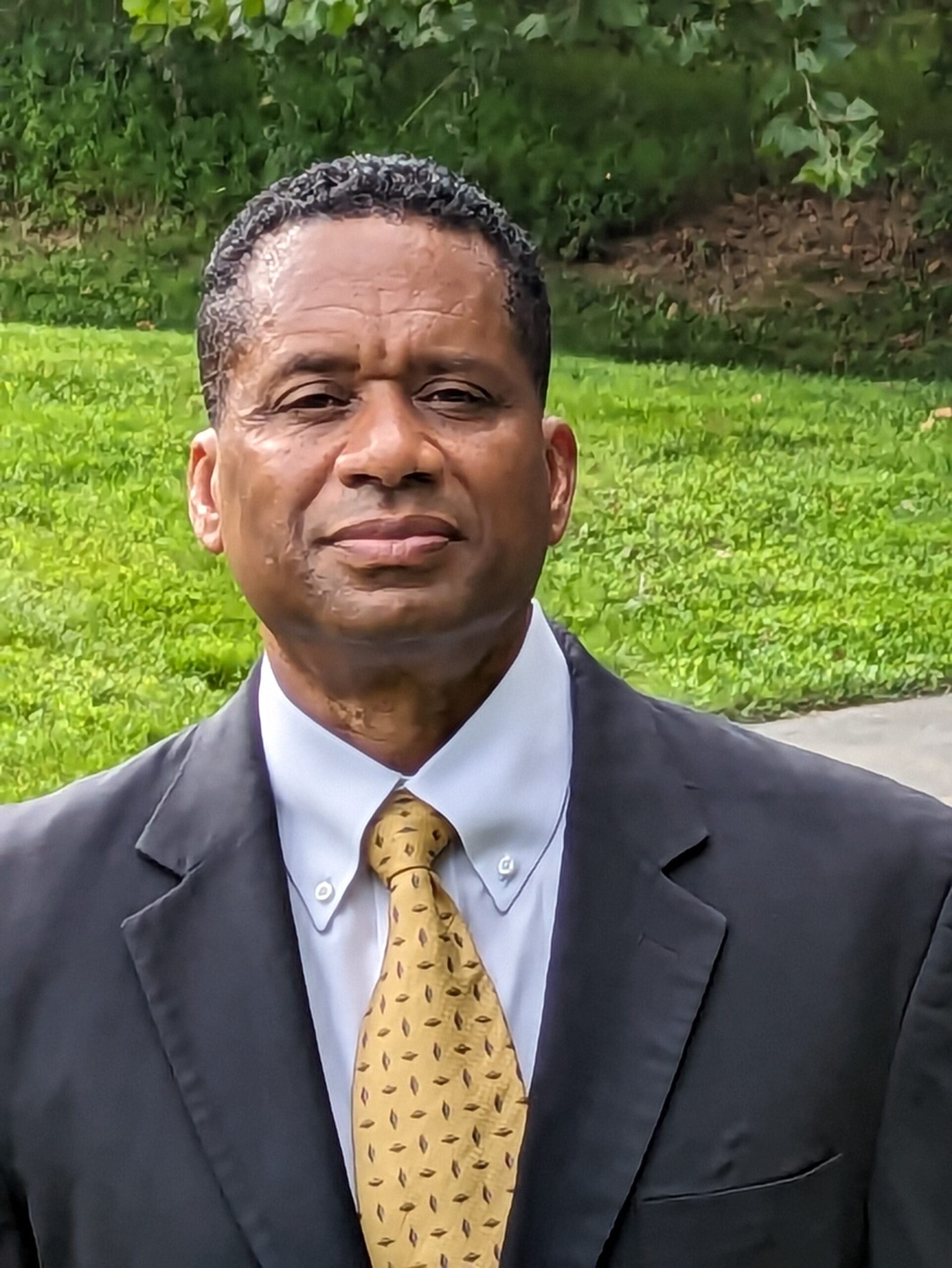 Wise D. Allen, Esquire, Counsel, A former Veteran Lieutenant Commander Judge Advocate for the United States Military, Wise Allen brings extensive knowledge and experience in resolving corporate defense and litigation in vast international and national legal issues.
Mr. Allen’s federal litigation experience as a former appellate attorney representing the United States and a federal white collar criminal defense attorneyfor defendants in trials that led to his clients receiving overwhelmingly favorable outcomes in contested issues and obtaining non-contested resolutions. Read more..
What a Successful Defense Can Achieve
Facing allegations of government contract fraud doesn’t always mean conviction. Effective defense strategy can lead to:
-
Reduction or dismissal of charges
-
Civil settlements without admissions of wrongdoing
-
Negotiated corrective actions with agencies
-
Avoidance of suspension or debarment
-
Protection of executive leaders from personal criminal exposure
The key is early engagement of counsel who understands federal criminal procurement fraud defense and not someone who only dabbles in contracts law.
Government Contract Fraud — What Triggers a Federal Investigation?
Most investigations don’t start with an agent at your door — they begin quietly. In many cases, the trigger is administrative or internal. A whistleblower files a qui tam complaint. A GSA audit reveals documentation gaps. A subcontractor flags a billing discrepancy. Or a prime contract draws attention during a broader enforcement push.
We can’t promise to make the problem disappear. But Watson’s defense contractor fraud attorneys can help you understand the risk, develop a strategy, and take back control before the government decides the outcome for you.
Federal agencies like the DOJ, SBA-OIG, DOD-OIG, or GSA Office of Inspector General may begin investigating contractors based on:
-
Alleged misrepresentations in certifications (small business status, SDVOSB, HUBZone, etc.)
-
False invoices or inflated billing for time, materials, or deliverables
-
Subcontracting plan violations or pass-through contracting
-
Failure to meet domestic sourcing requirements under the Buy American Act or TAA
-
Non-compliance with FAR (Federal Acquisition Regulation) clauses
-
Kickback or improper payment allegations between primes and subs
-
Use of shell companies or layered ownership to circumvent eligibility rules
These cases often escalate — and even contractors who did not intend to defraud the government can be swept up in complex liability webs.
What is Federal Criminal Procurement Fraud vs Civil False Claims Act Exposure
Federal government contract fraud investigations often start with civil inquiries but can escalate into criminal charges. Civil procurement fraud under the FCA focuses on recovery of government funds and penalties. Federal criminal procurement fraud matters involve allegations of intentional wrongdoing that can result in prison, criminal fines, and reputational damage, and may include charges of conspiracy, false statements, mail/wire fraud, and corrupt payment schemes.
The line between civil and criminal liability is often narrow — and without the right federal government contractor defense attorneys, civil exposure can rapidly evolve into criminal prosecution.
As a defense contractor fraud attorney team, we focus on federal criminal defense, False Claims Act-related offenses involving procurement fraud, improper certifications, cost mischarging, bid rigging, and kickback allegations. As government contract fraud lawyers, we work with contractors of all sizes — from small small businesses to Fortune 500 defense subcontractors — to build strategies that can prevent indictments, shape government theories, or position cases for favorable outcomes.
Why Government Contract Fraud Penalties
By the time you realize you’re under investigation, the government may already have months of documents, emails, and statements — often without your knowledge. Federal investigators don’t move fast — they creep. And by the time you’re aware, your business is already at risk.
Contractors under investigation face more than fines. Depending on the findings, you may face:
-
Civil penalties under the False Claims Act — including treble damages (3x the alleged loss) and statutory fines per invoice
-
Criminal charges — for wire fraud, false statements, or conspiracy (especially in joint ventures or mentor-protégé setups)
-
Suspension and debarment — which can end your eligibility for future federal contracts
-
Termination for default (T4D) on active contracts
-
Loss of security clearances or facility access, especially for defense contractors
-
Professional and reputational damage, including public database blacklisting
For small businesses, a single fraud allegation can end years of work — and for larger contractors, it can spark shareholder issues, litigation, or loss of federal revenue pipelines.
Common Mistakes to Avoid If You Are a Government Contractor When Under Federal Investigation
What to Do and Not Do Right Now: Immediate Steps to Protect Your Business
If you have any reason to believe you or your company is under investigation, the steps you take right now are critical. Here is a simple, actionable guide to help you navigate the initial, high-stakes phase of a federal inquiry.
Step 1: Do Not Speak to Federal Agents
This is the single most important rule. Federal agents are highly trained interviewers, and their goal is to gather evidence to use against you. Politely state that you have an attorney and that your attorney will contact them. Then, say nothing else. Every government contract fraud lawyer will tell you that this is the most common and most damaging mistake clients make. Even seemingly innocent statements can be twisted and used against you.
Step 2: Preserve All Documents
Immediately issue a written “litigation hold” or “document preservation” notice to all relevant employees. This notice should instruct them not to destroy, alter, or delete any documents—paper or electronic—that could be related to the investigation. Failure to do so can lead to charges of obstruction of justice. Your federal fraud lawyer can help you draft this notice.
Step 3: Contact Experienced Counsel Immediately
Do not call your corporate lawyer or a general criminal defense attorney. You need a specialist. You need a government contract fraud lawyer who understands the specific laws and regulations at issue. The government has a team of specialists working against you; you need a team of specialists on your side. Call our emergency hotline at 1-866-601-5518 to speak with a government contract fraud attorney.
Step 4: Do Not Conduct Your Own Investigation
It is tempting to start asking employees what happened. Do not do this. These interviews are not privileged and can create a roadmap for the government’s investigation. Let your legal counsel, qualified government contractor defense attorneys, conduct a privileged internal investigation on your behalf.
What It’s Like to Work With Our Government Contractor Fraud Lawyers
Strategy, Internal Risk Management, and Crisis Control — All Under One Roof
We work with CEOs, CFOs, general counsel, and boards to protect the enterprise — not just defend criminal charges.
START DEFENDING YOUR CASE NOW — Speak with a Federal Defense Lawyer Today
Federal Contractor Civil Investigative Demand (CID)Fraud Lawyer
 A Civil Investigative Demand (CID) is a powerful tool that the Department of Justice (DOJ) uses to investigate potential violations of the False Claims Act. If you receive a CID, it is a clear indication that you are under investigation for government fraud. It is crucial to take this matter seriously and seek legal counsel immediately.
Our government fraud lawyers have extensive experience responding to CIDs and navigating the complexities of DOJ investigations. Our goal is to resolve the investigation as quickly and efficiently as possible, while minimizing your risk of liability. Our government contractor fraud attorneys are here to help.
False Claims Act Criminal Defense Lawyers for Government Contract Fraud
The False Claims Act (FCA) is a federal law that imposes liability on individuals and companies who defraud governmental programs. In the context of government contractor fraud, this often involves submitting false or fraudulent claims to the government. The FCA also allows private citizens, known as whistleblowers or relators, to file lawsuits on behalf of the government. These lawsuits, known as qui tam actions, can yield substantial financial rewards for the whistleblower if the case is successful. As a leading government contract fraud law firm, we have extensive experience defending clients against FCA allegations. Our defense contractor fraud attorneys will thoroughly investigate the claims, challenge the government’s evidence, and work to achieve a favorable outcome, whether through dismissal, settlement, or trial. Our government contract fraud lawyers also represent clients who are facing retaliation for reporting government contract fraud. Our government contract fraud False Claims Act criminal defense lawyers are here to protect your interests
DOWNLOAD YOUR FREE FALSE CLAIMS ACT DEFENSE CHECKLIST - MINIMIZE JAIL TIME
Emergency Response Procedures: What to Do When Federal Investigators Contact You
When federal investigators contact your company about potential government contractor fraud, your response in the first 24-48 hours can determine the entire trajectory of your case. Having a clear emergency response plan can mean the difference between a manageable Government Investigations and criminal charges that destroy your business.
Immediate Response Protocol
- Step 1: Document the Contact – Record all details of investigator contact including names, agencies, badge numbers, and the specific nature of their inquiry.
- Step 2: Invoke Right to Counsel – Politely inform investigators that you want to have your government contractor fraud attorney present before answering any questions.
- Step 3: Contact Watson & Associates Immediately – Call 1.866.601.5518 immediately to reach our emergency response team.
- Step 4: Implement Document Preservation – Issue immediate litigation hold instructions to all employees.
- Step 5: Control Information Flow – Instruct all employees not to speak to investigators without legal counsel present.
Nationwide Lead Defense Contractor Fraud Attorneys
Our government contractor fraud attorney services cover all states regarding federal civil and criminal matters. We assist federal small businesses and large DoD contractors in Alaska, Arizona defense contractor fraud attorney, Arkansas, California defense contractor fraud lawyer, Colorado, Connecticut, Delaware, Florida, Georgia, Hawaii defense contractor fraud attorney, Illinois, Indiana, washington government contracts fraud lawyer, Kansas, Louisiana government contractor fraud attorney, Maine, Maryland government contract fraud lawyers, Massachusetts government contractor fraud attorney, Michigan, Minnesota government contracts fraud lawyer, Mississippi, Missouri government contractor defense attorneys, Montana, Nebraska defense contractor fraud attorney, Nevada, New Hampshire, New Mexico defense contractor fraud law firm, New York, North Carolina, Ohio, Oklahoma, Pennsylvania, Rhode Island, South Carolina, Tennessee defense contractor fraud lawyer, Texas government contractor fraud attorneys, U.S. Virgin Islands defense contractor fraud lawyer, Utah, Vermont, Virginia government contract fraud lawyer, Washington, Washington, DC defense contractor fraud law firm, West Virginia, Wisconsin, and Wyoming.
Cities in which our government contract fraud attorneys assist federal government contractors include Anchorage, AK; Atlanta overnment contractor fraud attorneys, GA; Austin, TX; Chicago, IL; Colorado Springs, CO; Baltimore defense contractor fraud attorney, Dallas government contractor fraud attorney, TX; Denver, Colorado; Indianapolis, IN; Las Vegas, NV defense contractor fraud law firm; Los Angeles government contract fraud lawyer, CA; Fort Lauderdale, Gainesville, Miami government contractor fraud attorneys, FL; Philadelphia, PA; San Antonio, TX; San Diego government contractor fraud attorney, CA; Houston government contract fraud lawyers; San Francisco government contractor fraud attorney, CA; San Jose, CA; Santa Clara, CA; and Tampa government contract fraud attorneys, FL.
Frequently Asked Questions (FAQ) About Government Contract Fraud

Q: What is government contract fraud?
Government contract fraud involves false claims, misrepresentations, or deceptive conduct intended to obtain federal funds or contracts. It can lead to civil and criminal liability.
Q: What agencies investigate procurement fraud?
DOJ, FBI, SBA‑OIG, DOD‑OIG, and agency inspectors may all launch federal investigations.
Q: What’s the difference between civil FCA claims and criminal procurement fraud?
Civil FCA cases focus on recovery of funds and penalties. Criminal cases involve indictments, possible imprisonment, and personal consequences for executives.
Q: Can these matters be resolved without indictment?
Yes — with early strategic defense and negotiation, some matters resolve at the investigative or civil stage.
Q. What are the penalties for government contractor fraud?
The penalties for government contract fraud can be severe, including substantial fines, exclusion from federal contracts, and even prison time. The specific penalties will depend on the nature and extent of the fraud. An experienced government contract fraud lawyer can help you understand the potential penalties you are facing and work to minimize them.
Q. How long does a government contract fraud investigation take?
A government contract fraud investigation can take months or even years to complete. The length of the investigation will depend on the complexity of the case and the resources of the investigating agency. It is important to have a government contractor fraud lawyer on your side throughout the investigation to protect your rights and ensure it is conducted fairly.
Q. Can government contract fraud charges be dismissed?
Yes, it is possible for government contract fraud charges to be dismissed. An experienced defense contractor fraud attorney can identify weaknesses in the government’s case and file motions to have the charges dismissed. It is also possible to negotiate a favorable plea agreement with the government that may result in reduced charges or penalties
Q: Should I talk to investigators if I know I did nothing wrong?
No. Even truthful statements can be twisted or misunderstood. Always speak through counsel.
Q: Can the government freeze my contract payments?
Yes. If they suspect fraud, agencies may stop payments under FAR clauses. We help you contest and reverse these actions.
Q: Will my business be suspended or debarred automatically?
No — but if you don’t act quickly, it becomes more likely. Early defense helps protect your eligibility.
Q: Do I need separate legal teams for criminal and civil FCA cases?
We handle both. Our team addresses criminal charges, civil exposure, and procurement consequences as one integrated strategy.
Schedule Your Free, Confidential Consultation With Our Government Contractor Fraud Defense Attorneys
Ready to Protect Your Business and Reputation? If federal investigators are asking questions about your contracts, billing, or compliance, the decisions you make now will shape your future. A confidential defense strategy session can help you understand your exposure, options, and practical next steps — without pressure or empty promises. If you are facing a government contract fraud investigation or have been charged with a related crime, do not wait to seek legal help. The sooner you have an experienced government contract fraud lawyer on your side, the better your chances of a favorable outcome. At Watson & Associates, our government contractor fraud law firm is here to help you navigate this difficult time and fight for your rights.
Schedule a confidential consultation. We’ll help you assess the risks, explore your options, and take the next step with clarity.
Available 24/7 – Call 1.866.601.5518 NOW or contact us by e-mail or Speak to Theodore Watson.